
Express Magazine 2026 Volume 9
Express is the online magazine published three times a year by the Entrepreneurial Mindset Network. Since its launch in 2018, the magazine has established itself as a dynamic and inclusive global platform, featuring contributions from authors in 67 countries.Entrepreneurial Mindset Network is an inclusive, international community of practice where anyone can learn to use entrepreneurial behaviours and make their unique contribution to the world.Paul Coyle is the Founder and Executive Director of the Entrepreneurial Mindset Network and the editor of the Express magazine. He is an expert in the entrepreneurial mindset, innovation, entrepreneurship, leadership and organisational change.
RI:SE Mindset Development Framework
Use the Network's RI:SE Mindset Development Framework to support your personal and organisational development. RI:SE stands for Reflect & Initiate : Scale & Excel.
Reflect & Initiate:Read Express Volume 9 issues 1-3 and their executive summaries. Use these real-life lessons to Reflect on your personal goals and to Initiate actions to strengthen your own entrepreneurial behaviours.
Scale and Excel:The Network's premium development services enable leaders to Scale entrepreneurial ways of working, building from individuals to teams, and creating a culture in which everyone can Excel.
Entrepreneurial Mindset Express 2026
Volume 9 Issue 3
Thank you to the authors from Azerbaijan, India, Kenya, Mexico, and Türkiye for taking the time to share their inspiring stories. Click on any image to read or download the article.

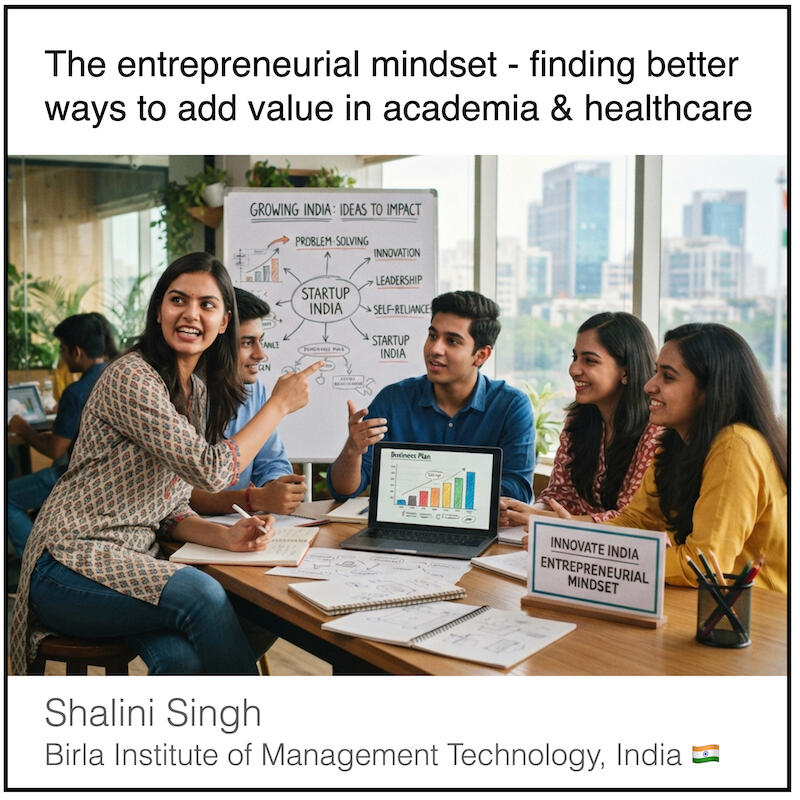
Executive Summary
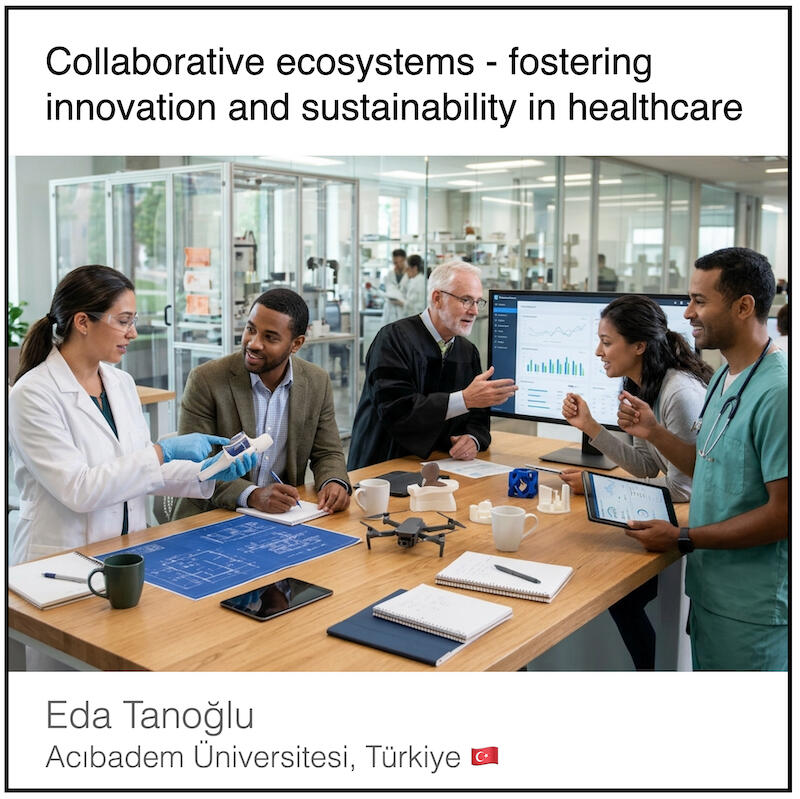
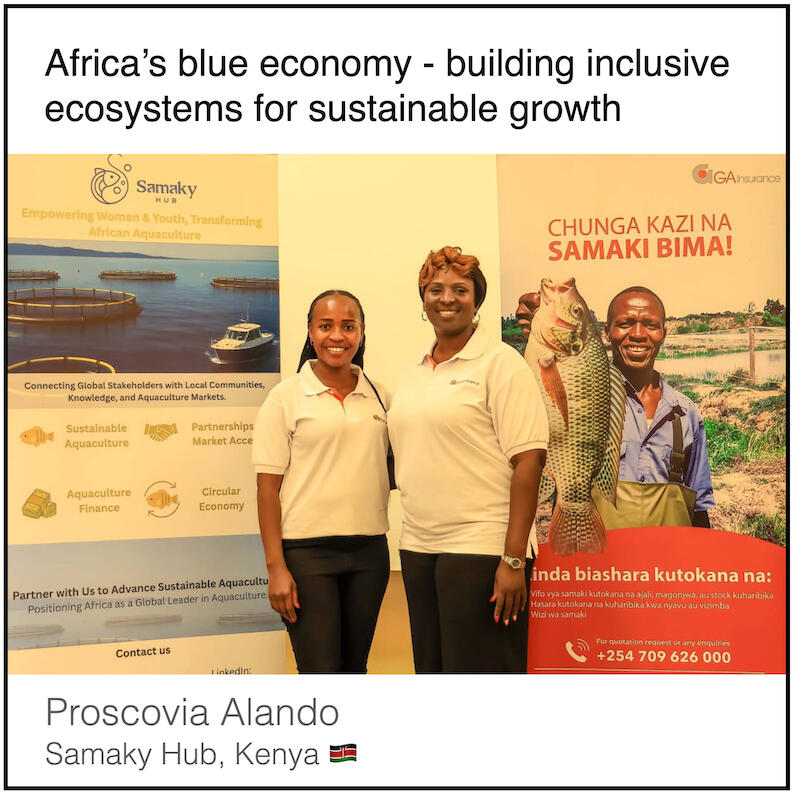
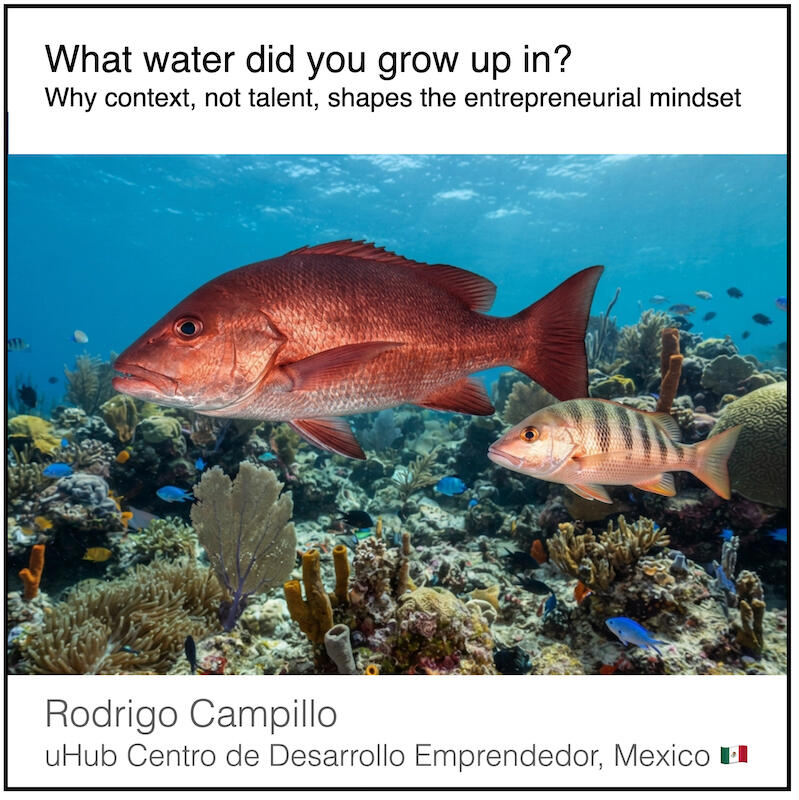
Volume 9, Issue 3 of Express magazine gathers global perspectives across higher education, healthcare, the blue economy, and community enterprise to examine how context, ethical leadership, and collaborative ecosystems foster entrepreneurial capability. Together, these contributors demonstrate that developing an entrepreneurial mindset is an essential life skill for driving sustainable innovation, building inclusive networks, and creating lasting value. The following questions and answers highlight key insights from these articles. For a deeper dive read the individual articles.
What is an entrepreneurial mindset, and why is it considered an essential life skill rather than just a way to start a business?
An entrepreneurial mindset is defined as the confidence and capacity to recognise opportunities, question existing solutions, take initiative, and create real-world value when operating under uncertainty. Rather than being restricted to launching commercial start-ups, it serves as an adaptable life skill applicable across corporate, academic, public sector, and healthcare environments. Developing this mindset involves moving from asking what job to obtain towards asking what meaningful value can be created. It equips individuals to navigate complex problems, embrace experimentation, and apply critical thinking regardless of their chosen career path.
How does a person's context shape their development, and what support structures effectively turn potential into success?
An individual's ability to act entrepreneurially is heavily shaped by their surrounding environment, culture, background, and exposure to resources, which dictate whether they operate from necessity or opportunity. Closing developmental gaps requires moving beyond simply providing information. Sustainable growth relies on experienced mentors who provide trusted guidance, supportive peer communities that make progress socially contagious, and long-term immersive programmes rather than short workshops. Furthermore, expanding opportunities for underrepresented groups, including women and young people, requires improving market intelligence, offering appropriate financing tailored to sector realities, and removing structural barriers to entry.
How can universities and educational institutions adapt to foster entrepreneurial thinking and ethical leadership?
Educational institutions foster entrepreneurial thinking by becoming agile, opportunity-led, and experimental across their strategy, human resources, and daily operations. Rather than relying on rigid, process-heavy systems and passive content delivery, universities must embed experiential learning, multidisciplinary projects, and real-world problem-solving into their curricula. Cultivating an entrepreneurial mindset must be paired with business ethics, social responsibility, and cultural intelligence to ensure innovations consider societal impact and human values. International exchanges, collaborative academic partnerships, and supportive leadership further strengthen institutional capability and drive systemic educational improvement.
What is required to build sustainable, inclusive ecosystems across complex sectors like healthcare and the blue economy?
Building sustainable ecosystems requires connecting fragmented stakeholders, including researchers, industry practitioners, investors, policymakers, and local producers, around shared societal needs. Technology or capital alone does not guarantee success; long-term viability depends on whether solutions can be effectively adopted, economically sustained, and environmentally responsible over time. Overcoming sector silos involves building reliable market intelligence, establishing collaborative networks, and designing inclusive financing. Ensuring that marginalised groups, small-scale operators, women, and youth are empowered to own, lead, and benefit from sector growth creates resilient ecosystems capable of delivering lasting economic and social value.
Entrepreneurial Mindset Express 2026
Volume 9 Issue 2
Thank you to the authors from Côte d'Ivoire, Ireland, Jamaica, Morocco and Tanzania for taking the time to share their inspiring stories. Click on any image to read or download the article.
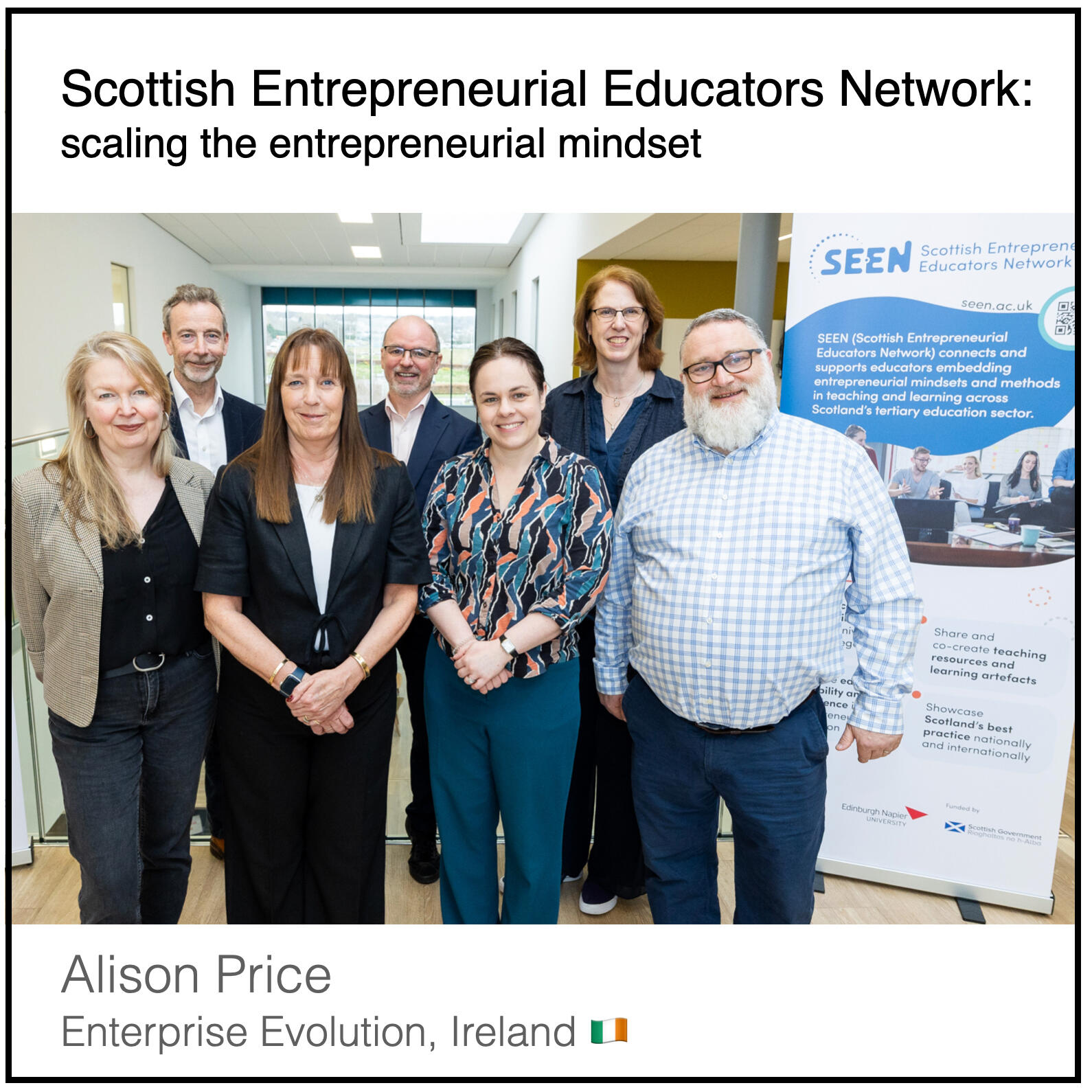
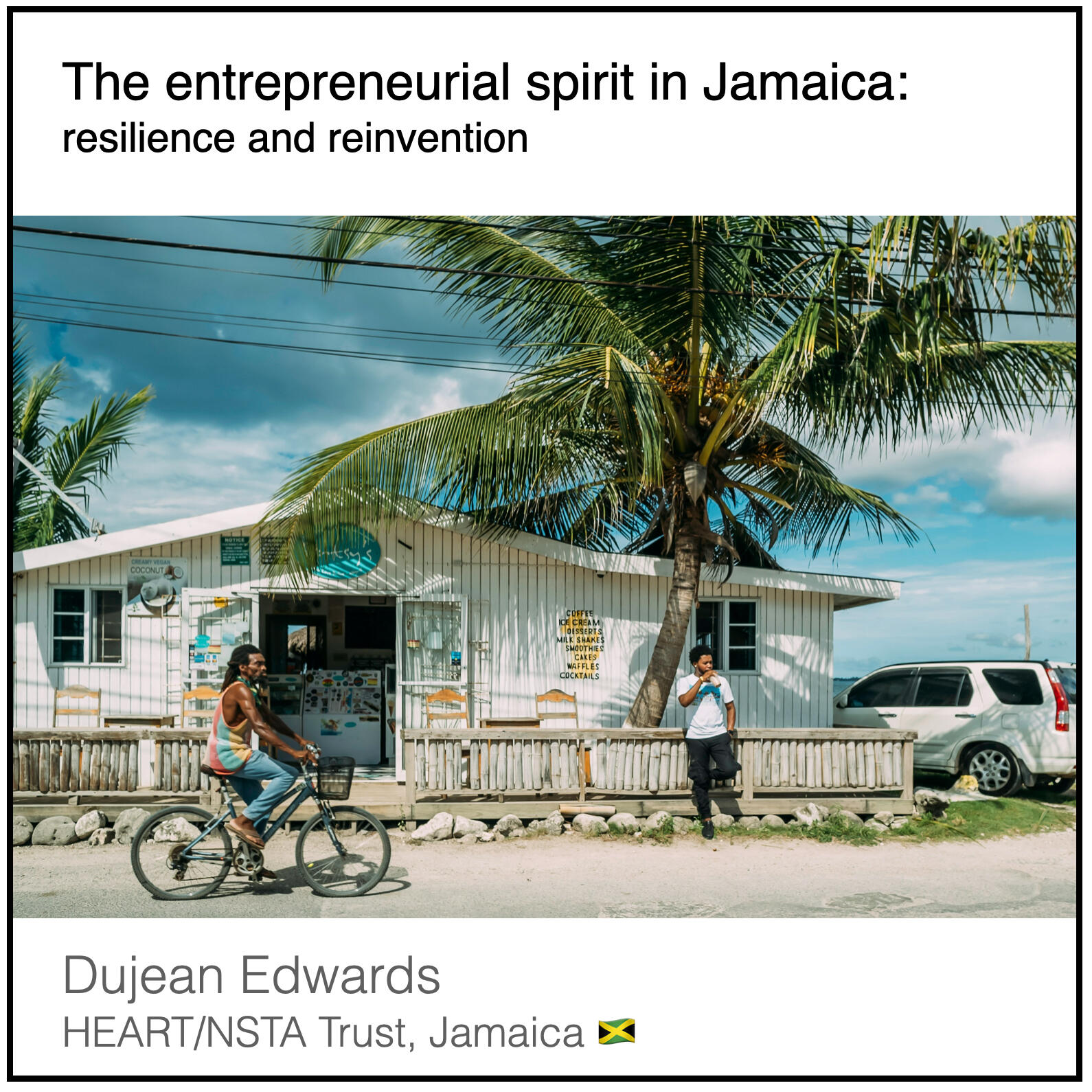
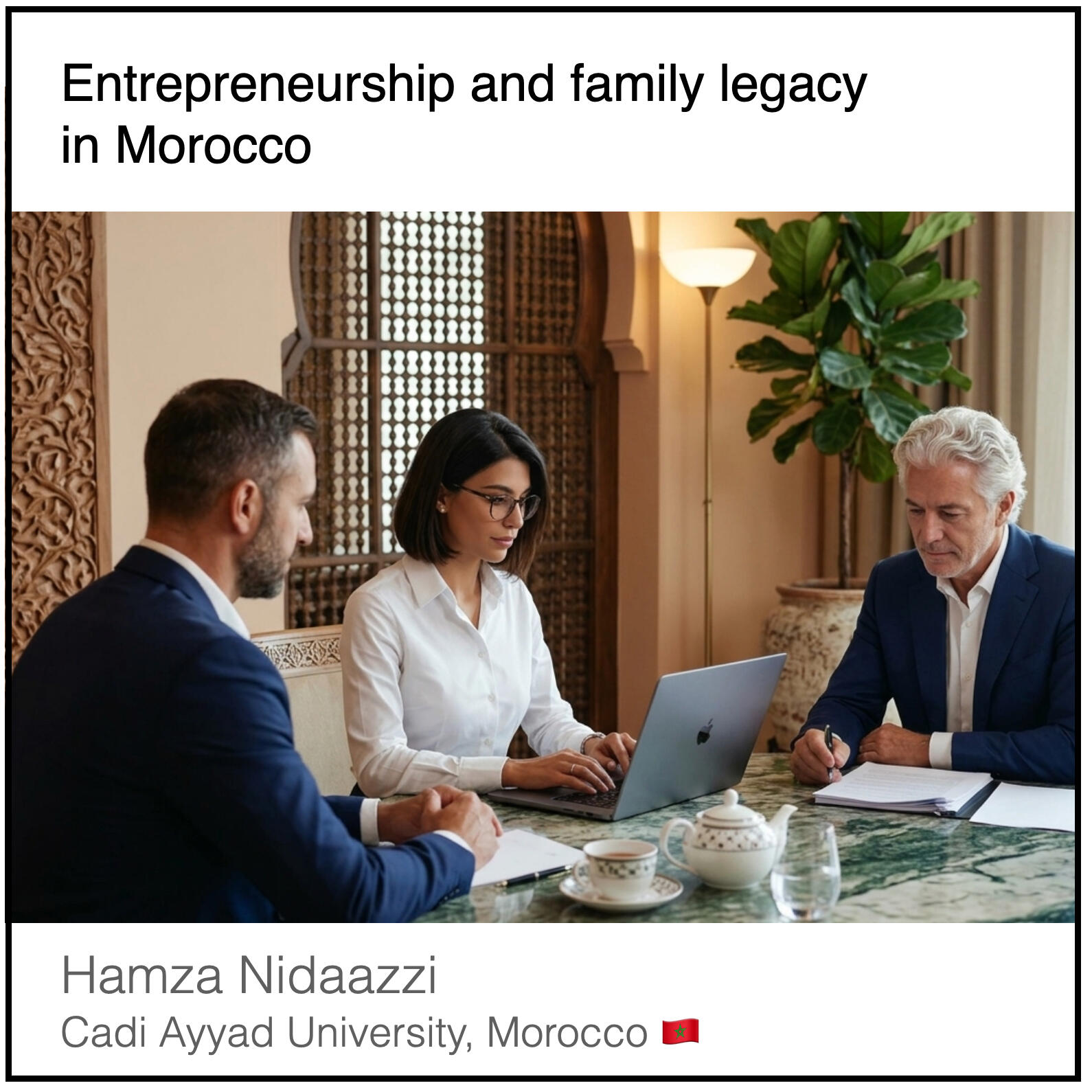
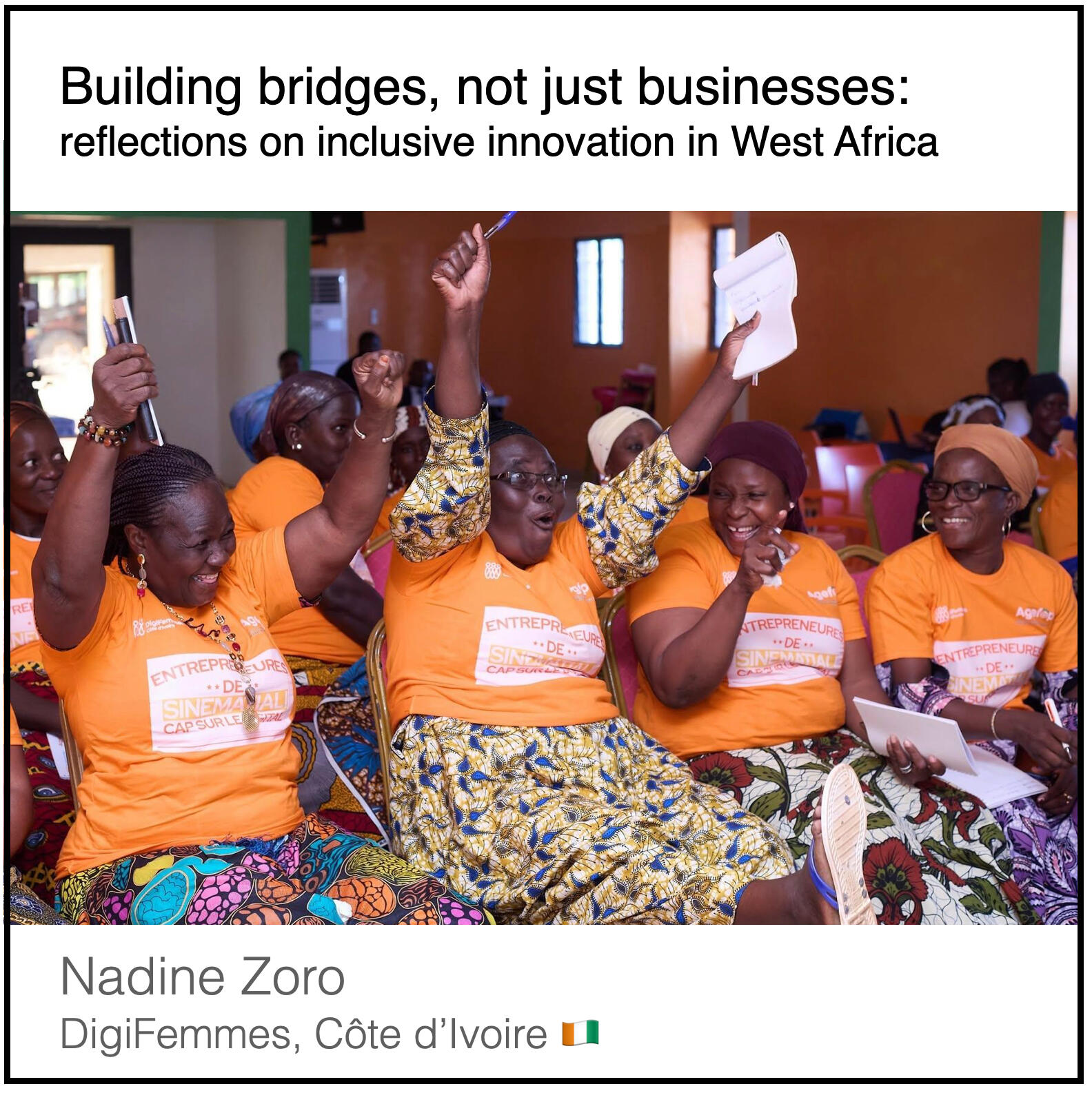
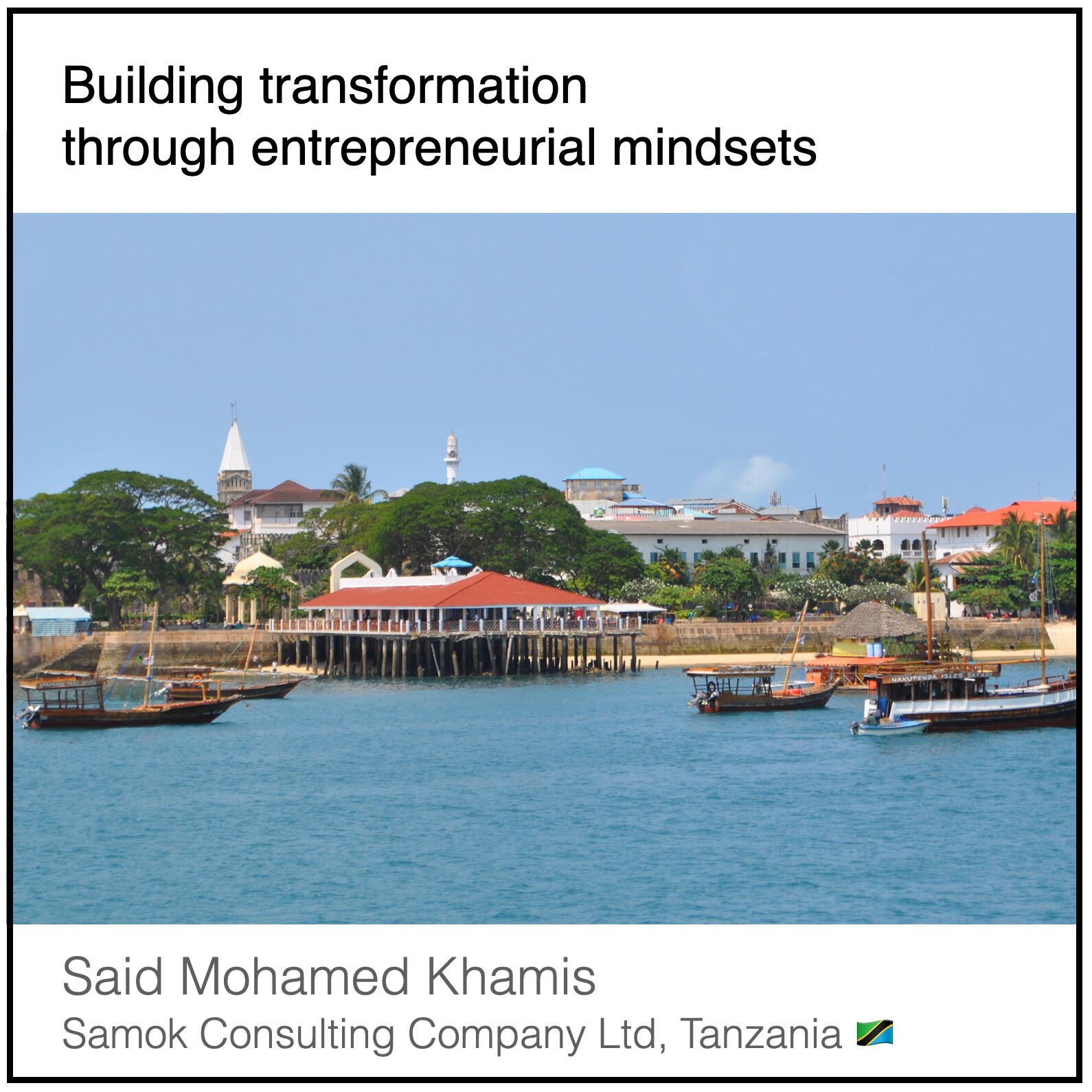
Executive Summary
Volume 9, Issue 2 of Express magazine brings together perspectives from Scotland, Jamaica, Morocco, West Africa, and Zanzibar to explore how cultural heritage, national educator networks, and community resilience drive entrepreneurial transformation. Together, these contributors highlight how fostering an entrepreneurial mindset across diverse regions and generations builds inclusive innovation, preserves family legacy, and empowers sustainable economic growth. The following questions and answers highlight key insights from these articles. For a deeper dive read the individual articles.
What is an entrepreneurial mindset, and why is it essential across different sectors?
An entrepreneurial mindset is defined as a versatile set of human capacities, including the ability to recognise opportunities in complexity, act under uncertainty, build trust-based relationships, and create social or economic value before formal commercial returns exist. Rather than being restricted solely to starting a business, it serves as a structural necessity for individuals navigating competitive or disrupted labour markets. It empowers educators, public servants, vocational trainees, and community leaders to drive institutional transformation, adapt to external shocks, and solve complex local problems through continuous action, innovation, and practical skills.
How can education systems and training networks scale entrepreneurial capability among students and educators?
Educational institutions scale entrepreneurial capability by building collaborative communities of practice and shifting from isolated teaching to systemic, demand-driven learning frameworks. This requires equipping educators across all academic and vocational disciplines to embed core human skills, such as critical thinking, initiative, creativity, and resilience, directly into everyday curricula. By combining open educational resources, practical experiential projects, and talent laboratories that immerse learners in real-world problem-solving alongside industry practitioners, educational networks bridge the gap between academic theory and practical execution while building internal capability.
What structural support and ecosystem models are necessary for inclusive economic empowerment?
Achieving inclusive economic empowerment requires constructing holistic pathways of support that extend beyond one-off training workshops or isolated technical sessions. Effective ecosystem building combines digital literacy, business incubation, structured mentorship, leadership development, and direct connections to capital markets. To address persistent systemic gaps that exclude underrepresented groups such as women, youth, and informal workers, ecosystems must provide tailored, context-specific environments that build long-term confidence, promote digital justice, and generate community multiplier effects where individual venture success strengthens wider regional economies.
How can organisations and family enterprises build long-term resilience and navigate crises effectively?
Building long-term resilience requires embedding robust governance structures, formal decision-making agreements, and adaptive leadership before crises or economic disruptions occur. Genuine resilience differs from passive survival, relying heavily on strong, trust-based social capital and flexible situational leadership that balances strategic continuity with necessary operational innovation. Organisations survive and rebuild by viewing crises as catalysts for active reinvention, systematically auditing current institutional realities, activating people through ownership, and establishing formal knowledge management systems to preserve organisational memory.
Entrepreneurial Mindset Express 2026
Volume 9 Issue 1
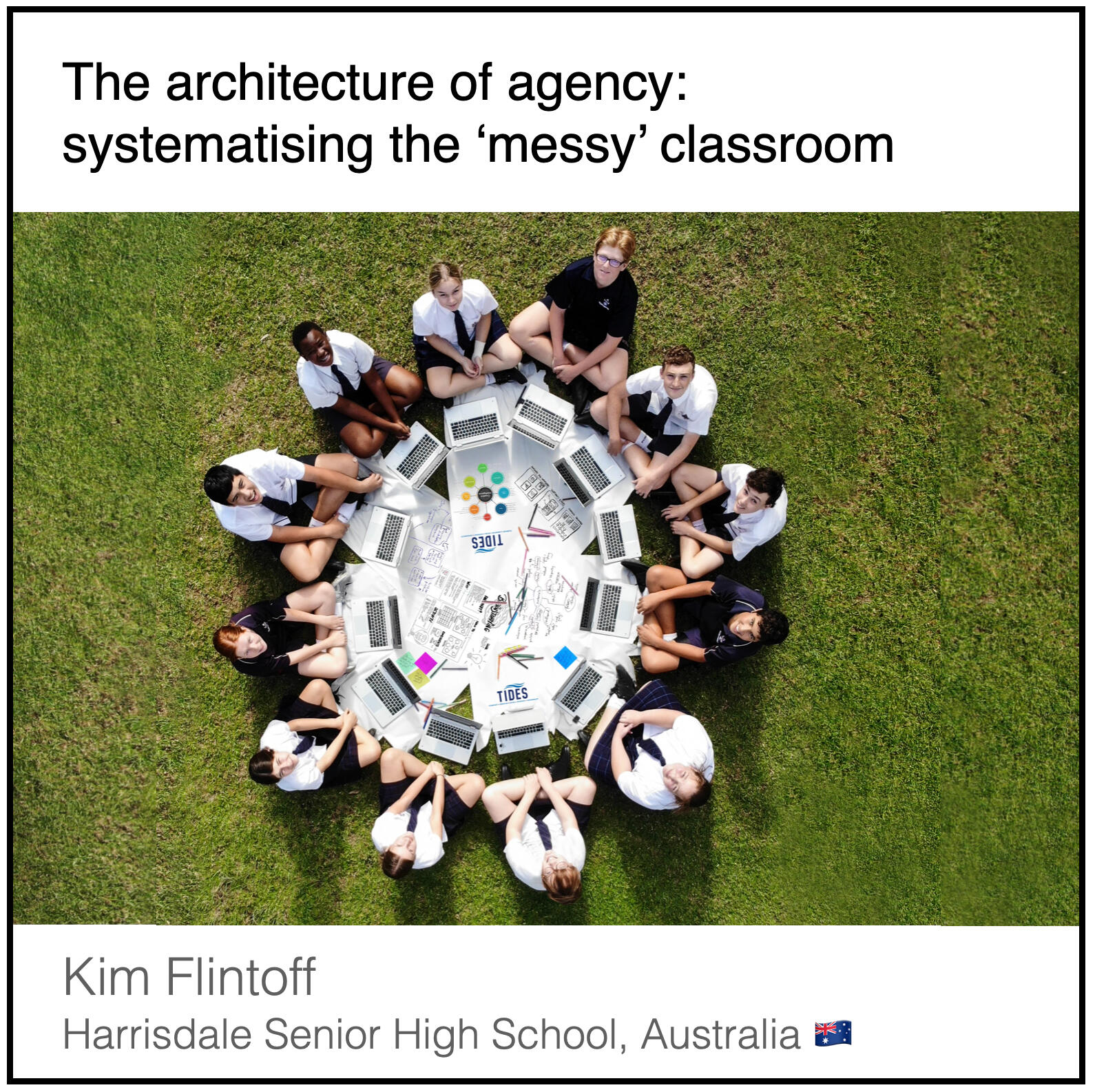
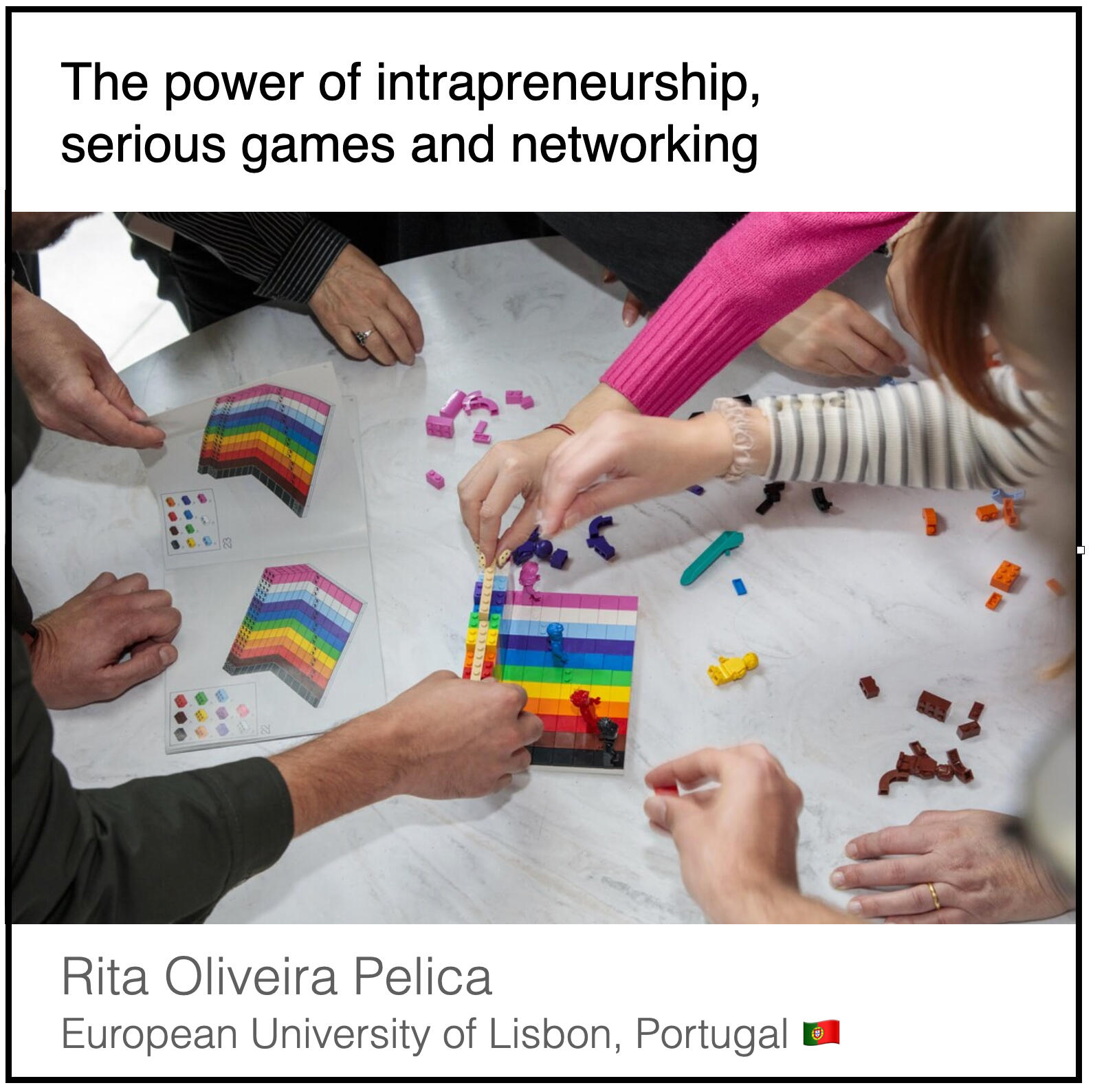
Thank you to the authors from Australia, Benin, Portugal, South Korea and Uzbekistan for taking the time to share their inspiring stories. Click on any image to read or download the article.
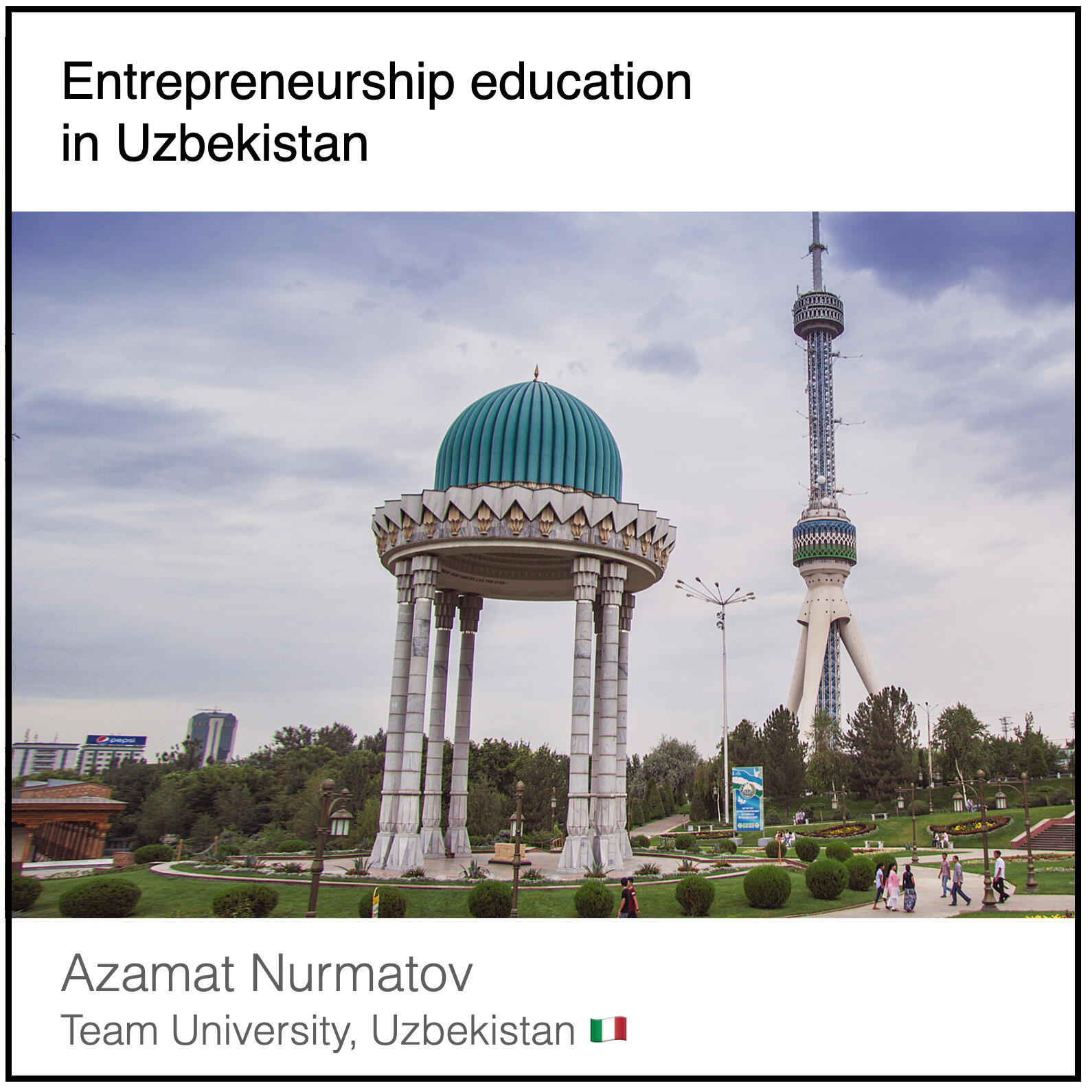
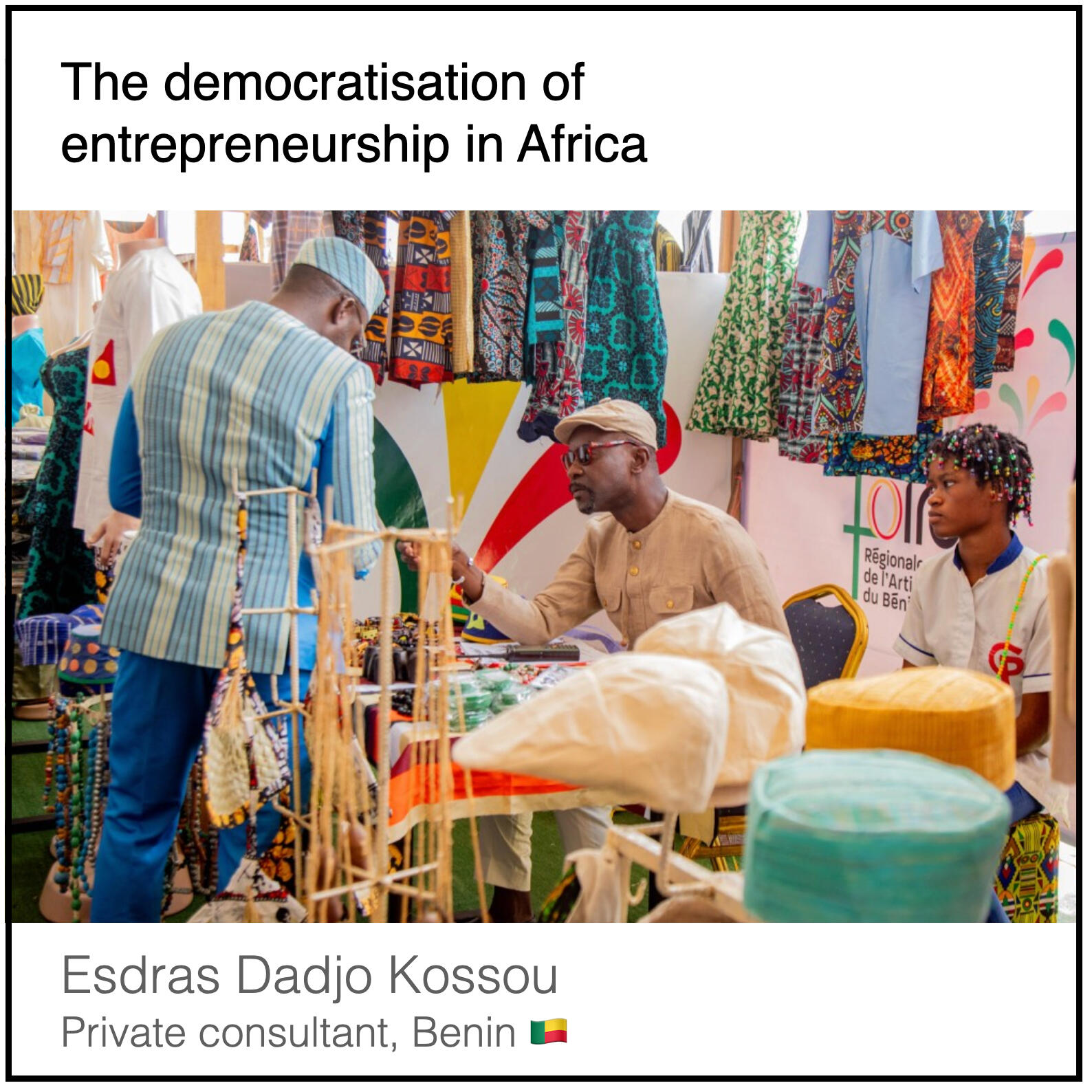
Executive Summary
Volume 9, Issue 1 of Express Magazine brings together a range of international perspectives to examine how educational architecture, intrapreneurship, digital policy, and startup coaching cultivate entrepreneurial agency. Together, these contributors demonstrate how transforming classroom practices, professionalising mentorship, and democratising access to business ecosystems empower individuals and organisations to turn potential into sustainable real-world impact. The following questions and answers highlight key insights from these articles. For a deeper dive read the individual articles.
What is an entrepreneurial mindset, and how does it differ from traditional business skills?
An entrepreneurial mindset is a voluntary demeanour defined by initiative, self-investment, and the capacity to navigate ambiguity, recognise opportunities, and create value before formal commercial returns exist. Unlike traditional business management skills, which focus primarily on administrative execution, financial control, and routine compliance, an entrepreneurial mindset encompasses critical thinking, adaptability, risk-taking, and problem-solving. It applies equally to starting new ventures, building social projects, or driving internal innovation within existing organisations. Developing this mindset requires combining rigorous theoretical knowledge with practical, hands-on experimentation.
How can educational institutions reform traditional teaching to foster genuine student agency and problem solving?
Educational institutions must transition from teacher-centred content delivery aimed at compliance or civil service preparation to demand-driven, experiential learning architectures. Effective reform involves embedding authentic, messy problem-solving into the curriculum, where learners address complex real-world challenges rather than passive exercises. Teachers shift from authoritative instructors to calibrating facilitators, assessing student progress through living portfolios of growth, iteration, and reflection rather than rigid checklists. By establishing developmental pathways that build collaboration, creativity, and self-regulation, schools enable learners to transition from directed performance to self-directed agility and active leadership.
What role do mentorship, business coaching, and supportive networks play in turning entrepreneurial potential into sustainable ventures?
Mentoring and practical coaching provide essential structure, direction, motivation, and validation across every stage of venture development. Rather than offering one-off advice, effective support relies on continuous engagement, helping emerging founders recognise their strengths, bridge information gaps, and pivot when faced with market uncertainties. Furthermore, authentic, non-transactional networking creates conditions for serendipity, mutual learning, and interdisciplinary collaboration. Professionalising business support through structured coaching frameworks and train-the-trainer initiatives accelerates the transition from beginner to effective practitioner, ensuring early-stage ventures build sustainable operational capacity.
What systemic changes and ecosystem support are needed to make entrepreneurship inclusive for women, rural youth, and emerging economies?
Democratising entrepreneurship requires building coherent national policy architectures, streamlining regulatory procedures, and expanding digital single-window registration systems. To reach underserved groups such as rural youth and women entrepreneurs, ecosystems must provide context-specific support that addresses cultural barriers, expands access to tailored financing solutions, and decentralises business coaching infrastructure beyond major cities. Combining academic institutions, industry partners, incubation hubs, and community support structures builds resilient, inclusive ecosystems capable of driving sustained economic development across diverse regional landscapes.
Copyright and Licensing Notice
These open-access articles are distributed under the terms of the Creative Commons Attribution 4.0 International License (CC BY 4.0), which permits unrestricted use, distribution, and reproduction in any medium, on condition that the original author and publisher are properly credited.The recommended citations are shown below. Each citation is in bold text and is followed by a short author profile:Alando, P. (2026). Africa’s blue economy - building inclusive ecosystems for sustainable growth. Entrepreneurial Mindset Network: Express Magazine, 9(3). https://doi.org/10.5281/zenodo.23888627
Proscovia Alando (Samaky Hub, Kenya) LinkedIn ORCID profileCampillo, R. (2026). What water did you grow up in? Why context, not talent, shapes the entrepreneurial mindset. Entrepreneurial Mindset Network: Express Magazine, 9(3). https://doi.org/10.5281/zenodo.23889188
Rodrigo Campillo (uHub Centro de Desarrollo Emprendedor, Mexico) LinkedInDadjo Kossou, E. (2026). The democratisation of entrepreneurship in Africa. Entrepreneurial Mindset Network: Express Magazine, 9(1). https://doi.org/10.5281/zenodo.23832048
Esdras Dadjo Kossou (Private consultant, Benin) LinkedInEdwards, D. (2026). The entrepreneurial spirit in Jamaica: resilience and reinvention. Entrepreneurial Mindset Network: Express Magazine, 9(2). https://doi.org/10.5281/zenodo.23884506
Dujean Edwards (HEART/NSTA Trust, Jamaica) LinkedInFlintoff, K. (2026). The Architecture of Agency: Systematising the ‘Messy’ Classroom through Entrepreneurial Ecosystems. Entrepreneurial Mindset Network: Express Magazine, 9(1). https://doi.org/10.5281/zenodo.23833201
Kim Flintoff (Harrisdale Senior High School, Australia) Google Scholar LinkedIn ORCID profileKhamis, S. M. (2026). Building transformation through entrepreneurial mindsets: reflections from Zanzibar. Entrepreneurial Mindset Network: Express Magazine, 9(2). https://doi.org/10.5281/zenodo.23886131
Said Mohamed Khamis (Samok Consulting Company Ltd, Tanzania) LinkedInKhawar, S. (2026). Supporting Startups: reflections of an entrepreneurship educator. Entrepreneurial Mindset Network: Express Magazine, 9(1). https://doi.org/10.5281/zenodo.23834339
Sara Khawar (SolBridge International School of Business, South Korea) LinkedInNidaazzi, H. (2026). Entrepreneurship and family legacy in Morocco. Entrepreneurial Mindset Network: Express Magazine, 9(2). https://doi.org/10.5281/zenodo.23885033
Hamza Nidaazzi (Cadi Ayyad University, Morocco) Google Scholar LinkedIn ORCID profileNurmatov, A. (2026). Entrepreneurship education in Uzbekistan. Entrepreneurial Mindset Network: Express Magazine, 9(1). https://doi.org/10.5281/zenodo.23806987
Azamat Nurmatov (Team University, Uzbekistan) Google Scholar LinkedIn ORCID profilePelica, R. O. (2026). The power of intrapreneurship, serious games and networking. Entrepreneurial Mindset Network: Express Magazine, 9(1). https://doi.org/10.5281/zenodo.23833827
Rita Oliveira Pelica (European University of Lisbon, Portugal) LinkedIn ORCID profilePrice, A. (2026). The Scottish Entrepreneurial Educators Network: scaling the entrepreneurial mindset. Entrepreneurial Mindset Network: Express Magazine, 9(2). https://doi.org/10.5281/zenodo.23881200
Alison Price (Enterprise Evolution, Ireland) LinkedInSingh, S. (2026). The entrepreneurial mindset - finding better ways to add value in academia and healthcare. Entrepreneurial Mindset Network: Express Magazine, 9(3). https://doi.org/10.5281/zenodo.23889618
Shalini Singh (Birla Institute of Management Technology, India) LinkedInTanoğlu, E. (2026). Collaborative ecosystems - fostering innovation and sustainability in healthcare. Entrepreneurial Mindset Network: Express Magazine, 9(3). https://doi.org/10.5281/zenodo.23887503
Eda Tanoğlu (Acıbadem Üniversitesi, Türkiye) Google Scholar LinkedIn ORCID profileYusifova, K. (2026). Shaping the future of Azerbaijan - the entrepreneurial mindset and business ethics. Entrepreneurial Mindset Network: Express Magazine, 9(3). https://doi.org/10.5281/zenodo.23888116
Khatira Yusifova (Baku Engineering University, Azerbaijan) Google Scholar LinkedIn ORCID profileZoro, N. (2026). Building Bridges, Not Just Businesses: Reflections on Inclusive Innovation in West Africa. Entrepreneurial Mindset Network: Express Magazine, 9(2). https://doi.org/10.5281/zenodo.23885513
Nadine Zoro (DigiFemmes, Côte d’Ivoire) LinkedIn
Editorial Note: To provide a unified overview of these global perspectives, the executive summaries were synthesised and structured using Google Gemini under human editorial oversight. Readers are encouraged to download the original author PDFs for full context.
This website is published by the Entrepreneurial Mindset Network © 2026 all rights reserved.